
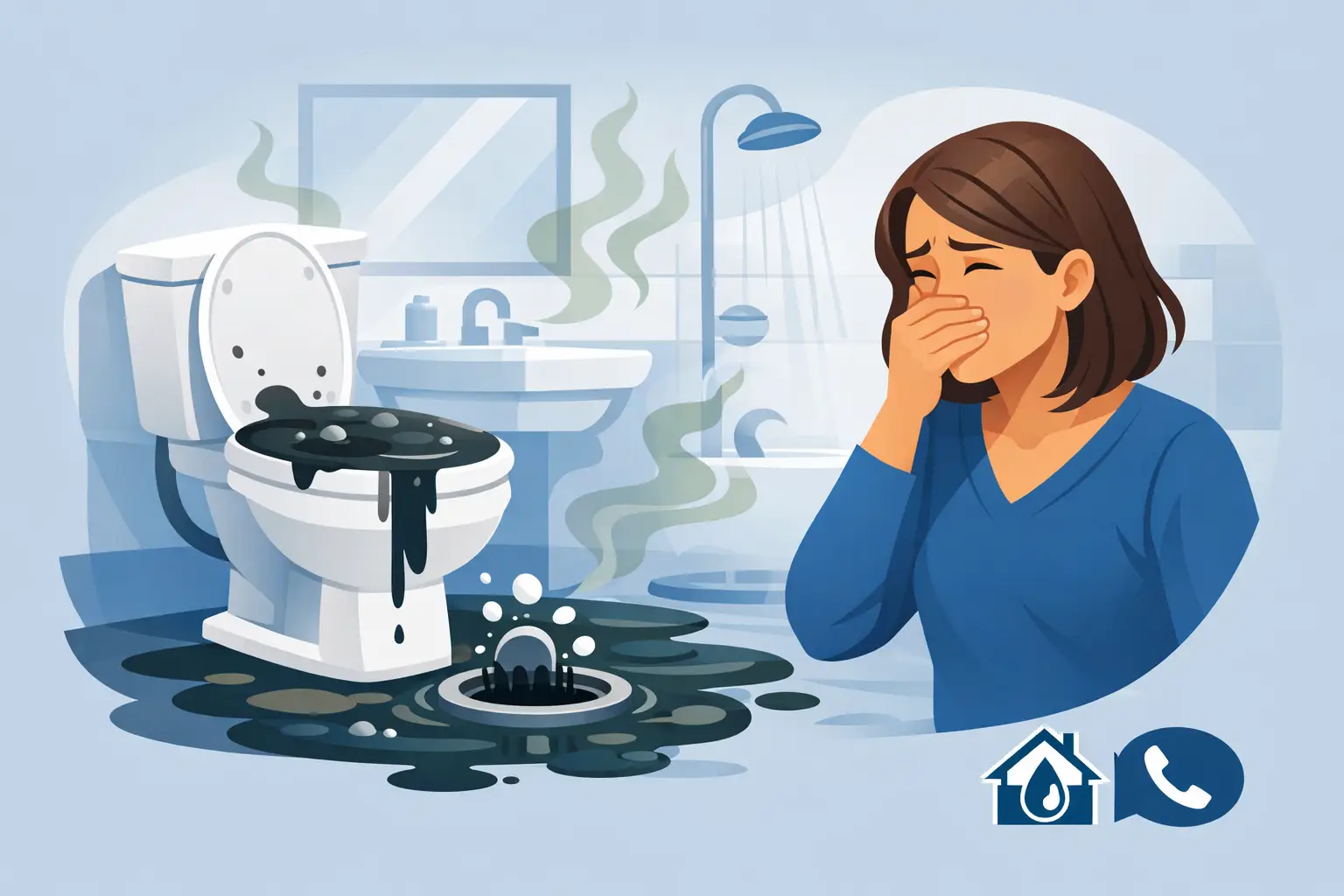
A toilet that overflows once may look like a small cleanup job. A backed-up drain in a basement may look like ordinary floodwater. Neither assumption is safe. When is sewage water dangerous? The answer is simple: treat any water that may contain waste, drain backup, or groundwater contamination as dangerous until trained technicians identify and contain the source.
Sewage exposure is not only about an unpleasant odor or visible mess. It can introduce bacteria, viruses, parasites, and chemicals into flooring, walls, belongings, and HVAC systems. In a Northwest Montana home or commercial property, a sewer backup can also spread quickly through basements, crawl spaces, utility rooms, and lower-level rentals before anyone sees the full extent of the damage.
When Is Sewage Water Dangerous?
Sewage water is dangerous as soon as it has the potential to contain human waste or other biological contaminants. Restoration professionals generally classify this as Category 3 water, often called black water. It may come from a toilet overflow containing waste, a failed sewer line, a septic backup, a backed-up floor drain, or water that has entered a property after flowing across contaminated ground.
The source matters, but so does the time involved. Even water that began as relatively clean from a broken supply line can become contaminated after sitting in a building, passing through dirty materials, or mixing with contents and building debris. Warm conditions, delayed drying, porous finishes, and hidden moisture all increase the chance that a limited water event becomes a larger sanitation and mold problem.
You should also treat water as potentially hazardous if you cannot confirm where it came from. A dark stain around a floor drain, water rising from a basement drain, or a wet carpet with a sewer odor is not a situation for testing with bare hands or trying to save every item yourself.
The Health Risks Are Real, Even When the Water Looks Clear
Sewage contamination is not always visibly obvious. Some water may look clear at first, especially if it has diluted with rainwater or groundwater. That does not remove the risk. Contaminated water can carry organisms that cause stomach illness, skin infections, eye irritation, or respiratory symptoms. People with weakened immune systems, young children, older adults, and pets may be more vulnerable.
The risk rises when sewage reaches absorbent materials. Carpet padding, upholstered furniture, mattresses, unfinished wood, insulation, drywall, particleboard cabinets, and stored cardboard can absorb contamination beyond what a surface disinfectant can reach. In many cases, cleaning the visible surface is not a safe or complete solution.
Airborne exposure also matters. As contaminated materials dry, particles can be disturbed by foot traffic, fans, or vacuuming. That is why professional sewage cleanup focuses on containment, controlled removal, cleaning, disinfection, drying, and verification rather than simply extracting water and spraying deodorizer.
Warning Signs That Call for Immediate Action
A strong sewer odor is a clear warning sign, but it is not the only one. Slow drains throughout the property, gurgling toilets, bubbling floor drains, water around a cleanout, or wastewater coming up through a shower or tub can all point to a sewer-line issue. In a septic property, wet ground, unusual odors near the tank or drain field, and backups inside the structure require prompt attention.
If water has touched finished flooring, drywall, stored contents, or air ducts, assume the affected area needs a professional assessment. The danger is not limited to the water you can see. Moisture may travel behind baseboards, beneath flooring, and into wall cavities.
What to Do in the First Minutes After a Sewage Backup
Keep people and pets away from the affected space. Close the door if you can do so without walking through contaminated water, and keep children from entering lower levels, bathrooms, or utility rooms where a backup occurred. Do not let anyone walk through the area and then move through the rest of the home.
If it is safe to reach the main water shutoff without entering contaminated water, turn off the water supply to prevent additional overflow from fixtures. Stop using toilets, sinks, showers, dishwashers, and washing machines until the source is identified. Continued use can add more wastewater to a blocked line.
Avoid actions that spread contamination or create an electrical hazard. Do not use a household vacuum, shop vacuum, or regular mop on sewage. Do not run fans across the area. Do not use a central HVAC system if contamination may have reached return vents or ductwork. Never enter standing water where electrical outlets, appliances, or a breaker panel may be affected.
If you must pass near the area to leave safely, wear closed-toe shoes and avoid direct contact. Wash exposed skin thoroughly with soap and clean water. If contaminated water contacts your eyes, mouth, or an open wound, seek medical guidance promptly.
Why DIY Cleanup Often Falls Short
A small toilet overflow that stays on nonporous tile may be manageable after the plumbing issue is corrected and the area is thoroughly cleaned and disinfected. But the decision changes quickly when sewage reaches carpet, wood flooring, drywall, baseboards, cabinets, insulation, or stored belongings. Those materials can retain contaminants and moisture where household products cannot reliably reach.
Bleach is not a complete sewage-remediation plan. It can discolor materials, react with other cleaning products, and provide a false sense of security when contamination has migrated beneath a surface. It does not replace removal of unsalvageable porous materials, moisture mapping, controlled drying, or proper disposal.
There is also an insurance consideration. Property damage claims often require clear documentation of the source, affected materials, mitigation work, and drying conditions. Throwing away damaged materials before documenting them can complicate the claim. Taking photos from a safe location and recording the time the issue was discovered can help, but do not delay emergency mitigation to wait for an adjuster.
How Professional Sewage Cleanup Protects the Property
A qualified restoration response starts by stopping the active loss and establishing containment. Technicians use appropriate personal protective equipment and follow IICRC S500-informed procedures for water damage restoration, along with applicable OSHA and EPA requirements. The goal is to prevent contamination from moving into clean areas while protecting everyone on site.
The team then documents the damage and identifies materials that can be safely cleaned versus materials that need removal. Truck-mounted extraction equipment may remove standing water, while moisture meters and thermal imaging help identify water behind walls, under flooring, and in concealed structural areas. If needed, controlled demolition removes contaminated drywall, insulation, carpet padding, or cabinetry components without spreading debris through the property.
After removal and detailed cleaning, technicians apply appropriate antimicrobial and disinfecting procedures to remaining structural surfaces. Air movers and commercial dehumidifiers dry the affected structure to established targets. In more complex losses, air filtration and air-sampling tools may be used to support containment and evaluate conditions. Odor control comes after contamination and moisture are addressed, not before.
For landlords and commercial operators, speed matters beyond health concerns. A sewage event can make a unit, office, restaurant, or common area unusable. Clear documentation, defined work areas, and direct communication help property owners make decisions quickly while reducing disruption for tenants, employees, and customers.
Special Concerns for Basements, Crawl Spaces, and Vacant Properties
Basements are especially vulnerable because sewer lines, floor drains, laundry connections, and sump systems often meet in the lowest part of the structure. A sewage backup can spread beneath finished basement flooring or soak into framing before it is noticed. In older Flathead and Lincoln County properties, varied construction methods and seasonal groundwater conditions can make source identification more complicated.
Crawl spaces require the same caution. Wastewater can saturate soil, vapor barriers, insulation, and wood framing. Entering a contaminated crawl space without training, respiratory protection, and controlled cleanup equipment can expose the person entering it and bring contaminants back into the living area.
Vacant homes and seasonal properties can be even harder to restore because water may sit undetected for days or weeks. If you arrive at a property and find odor, staining, warped materials, or a failed plumbing system, do not assume the loss is old and harmless. Treat it as an active contamination concern until it has been assessed.
Call for Help Before Contamination Spreads
Sewage water is never the time to wait and see whether the smell fades or the carpet dries on its own. Fast containment protects the people in the building, limits material removal, and gives insurance documentation a stronger foundation.
Stat Restoration provides 24/7 emergency sewage cleanup across Northwest Montana, with IICRC-certified technicians prepared to arrive quickly, contain the loss, document the damage, and manage the restoration process. The safest next move is to keep the area isolated and bring in trained help before contamination reaches more of your property.
