
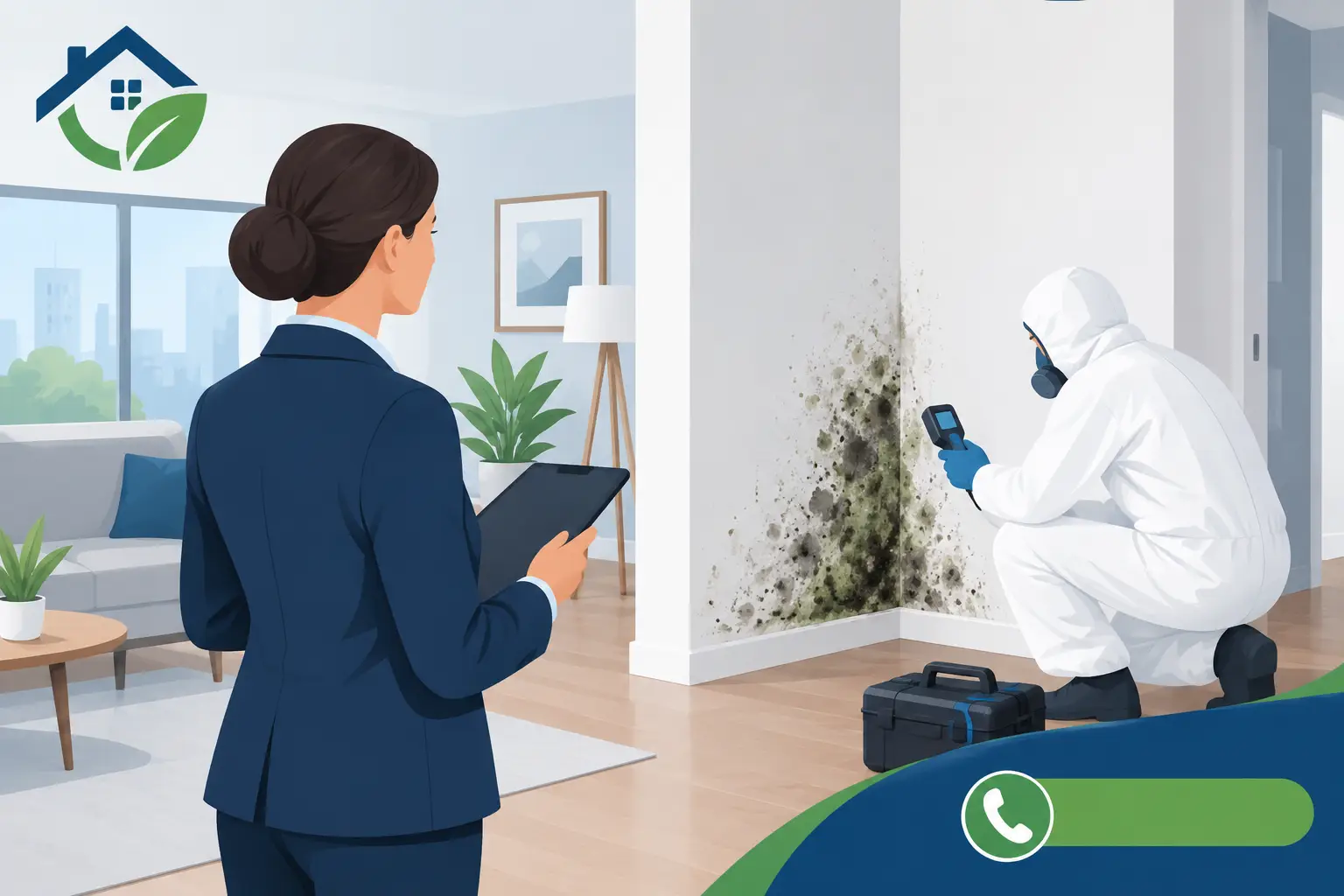
A musty odor reported after a weekend leak can become a resident-health concern, a maintenance emergency, and a costly claim issue at the same time. A clear property manager mold response protects occupants first, stops the moisture that feeds growth, and creates the documentation needed to make sound decisions without delay.
Mold is rarely the first problem. It is usually evidence that water has been present longer than anyone realized. In Northwest Montana, cold weather, snowmelt, ice dams, plumbing failures, crawlspace humidity, and poorly dried materials can all create the conditions mold needs. The response has to address the cause and the contamination – not just the visible spots on a wall or ceiling.
Start With Safety, Access, and Moisture Control
When a resident reports visible mold, staining, damp carpet, peeling paint, or persistent odor, treat the report as actionable. Record the time of the complaint, the affected room, and any recent water event. Ask whether anyone has reported symptoms or whether the affected area includes sewage, standing water, or damaged electrical components.
Your first priority is to prevent additional exposure and additional water damage. If there is an active leak, shut off the water source when it is safe to do so. If water is near outlets, appliances, electrical panels, or ceiling fixtures, keep residents out of the area and arrange qualified assessment before anyone begins cleanup.
Do not ask maintenance staff or residents to scrub, spray, paint over, or remove potentially contaminated materials before the situation is evaluated. That approach can spread spores, conceal the moisture source, and make it harder to document the true extent of damage. Small, isolated surface issues may have a different response than widespread growth after a flood or long-term pipe leak. The difference matters.
For an initial response, property managers should focus on four immediate actions:
- Restrict access to the affected room or area when disturbance could spread contamination.
- Stop the active water source and remove standing water only when conditions are safe.
- Photograph visible conditions, water staining, damaged contents, and likely source areas.
- Contact a qualified restoration and mold remediation team when growth, moisture, or damage extends beyond a simple maintenance correction.
A quick response is not the same as rushing into demolition. The goal is controlled action based on evidence.
Determine Whether the Problem Is Active and Hidden
Visible mold is often only part of the scope. Drywall, insulation, subflooring, cabinets, carpet backing, and crawlspaces can retain moisture long after a surface feels dry. A professional inspection may use moisture meters, thermal imaging, hygrometers, and targeted air or surface sampling when it will help answer a specific question.
Testing is not always the first or only answer. If visible growth and a clear moisture source are already present, the practical priority is to correct the moisture condition and remove affected materials using proper containment and cleaning procedures. Testing can be useful when the source is uncertain, when occupants have raised health concerns, when mold may be concealed, or when independent documentation is needed for a dispute, transaction, or insurance file.
This is where property managers benefit from an experienced local team. Flathead and Lincoln County buildings face seasonal temperature swings that can cause condensation and freeze-related plumbing failures. A technician who understands those conditions can distinguish between a one-time leak, chronic vapor intrusion, inadequate ventilation, roof leakage, and a plumbing issue concealed behind finishes.
Communicate Clearly With Residents Without Making Promises You Cannot Keep
Residents need timely information, especially if access to a bathroom, bedroom, kitchen, or commercial workspace is affected. Let them know the report has been received, the area is being assessed, and what temporary precautions apply. Give a realistic next update time rather than guessing at a completion date before the scope is known.
Avoid dismissing concerns, but avoid making medical conclusions as well. Mold can be especially concerning for people with asthma, allergies, respiratory conditions, or weakened immune systems. A property manager should encourage residents with health concerns to consult an appropriate medical professional while the property condition is addressed.
Good communication also reduces preventable claim friction. Keep a written log of resident reports, maintenance activity, contractor arrival times, findings, temporary accommodations if applicable, and the steps taken to control the condition. If the resident caused or contributed to the moisture event, document facts without assigning blame before the evidence is complete.
Use a Property Manager Mold Response Process That Holds Up
A defensible response is documented, timely, and based on the actual conditions at the property. It should show that you acted once you had notice, investigated the source, took reasonable steps to protect occupants, and completed appropriate repairs and remediation.
A qualified restoration provider should document pre-existing conditions, affected materials, moisture readings, containment measures, removal decisions, equipment placement, and drying progress. For mold work, recognized industry procedures such as IICRC S520 principles help guide safe remediation. When the problem began with water damage, drying methods should also align with IICRC S500 practices.
The scope will depend on the size of the affected area, how long materials were wet, the type of water involved, the building materials, and whether contamination entered HVAC components or concealed cavities. Nonporous materials can often be cleaned when structurally sound. Porous materials such as wet insulation, damaged drywall, carpet padding, and some particleboard products may need removal when they cannot be effectively cleaned and dried.
Containment is not optional when work could spread dust or spores into occupied spaces. Depending on the scope, remediation may involve critical barriers, negative air equipment with HEPA filtration, controlled removal of affected materials, HEPA vacuuming, detailed cleaning, and post-remediation evaluation. The purpose is to return the affected area to normal fungal ecology after the source has been corrected, not to promise an impossible sterile building.
Do Not Let Drying Become an Afterthought
The fastest way to repeat a mold problem is to clean what can be seen while leaving wet materials or high humidity behind. Drying requires measurements, not assumptions. Professional crews track moisture content and indoor conditions throughout the process, adjusting air movers, dehumidifiers, and containment as needed.
Property managers should also look beyond the immediate incident. If a bathroom repeatedly develops staining, a basement smells damp every spring, or a unit has recurring condensation on windows and exterior walls, the building may need a repair strategy rather than another surface cleaning. That could include plumbing repairs, ventilation improvements, roof or flashing repairs, crawlspace moisture control, insulation corrections, or changes to drainage around the structure.
Protect the Insurance File From Day One
Many mold-related losses are connected to a sudden water event, but coverage depends on the policy language, the source of loss, maintenance history, and applicable endorsements. Do not assume coverage and do not delay emergency mitigation while waiting for a coverage decision. Reasonable measures to stop active damage and prevent further loss are often essential.
Keep photos before, during, and after work. Retain invoices, inspection findings, moisture documentation, equipment logs, repair estimates, resident communications, and any report identifying the cause. This record supports the property owner, helps explain the scope to an adjuster, and gives managers a clear timeline if questions arise later.
Stat Restoration can respond 24/7, arrive quickly to contain active damage, document conditions, perform remediation, and coordinate directly with insurance carriers. That single point of accountability is especially valuable when multiple units, residents, vendors, and deadlines are involved.
Build Prevention Into Turnovers and Routine Maintenance
The best mold claim is the one caught while it is still a moisture issue. During unit turns and scheduled inspections, check under sinks, behind toilets, around appliances, below windows, in mechanical rooms, and at ceilings beneath bathrooms or rooflines. Pay attention to soft flooring, stained baseboards, swollen cabinet panels, deteriorated caulk, and odors that return after cleaning.
Maintenance records should identify repeat locations, not just repeat work orders. Three separate leak calls in the same stack of units may point to a common plumbing failure. Repeated window condensation may indicate an airflow or insulation issue. Patterns are where property managers can reduce future disruption and protect the long-term condition of the asset.
When mold is reported, a calm and documented response sets the tone for everything that follows. Act quickly, control the moisture, keep residents informed, and bring in qualified help before hidden damage becomes a larger vacancy, liability, or restoration problem.
