
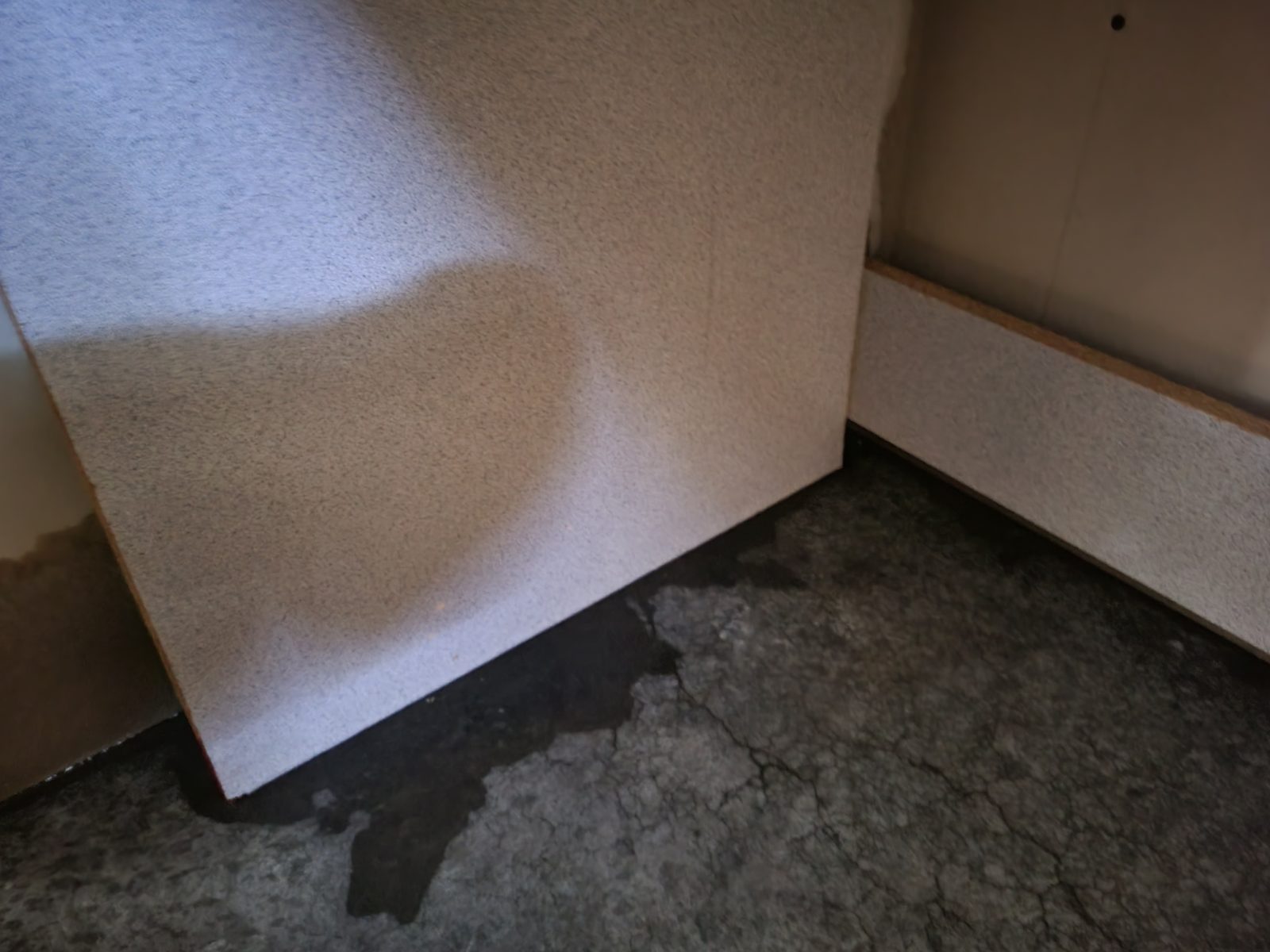
A damp spot on the ceiling below a bathroom, a warped baseboard near an exterior wall, or a musty smell in a condo hallway can mean more than a small leak. In a condo, the water you see may be coming from somewhere you can’t. A moisture investigation finds where the water traveled, what materials are wet, and whether the problem reaches another unit or a shared part of the building.
Condo water losses are rarely simple. Supply lines, drain lines, roofs, exterior walls, and shared plumbing chases can serve more than one unit. The damage may show up in your unit while the source is above, behind, or beside it. Every day a stain is ignored gives moisture more time to move through drywall, insulation, framing, and flooring.
Condos Around Whitefish and Kalispell Have Their Own Risks
Many condos in Whitefish and Kalispell are second homes near the mountain, and they often sit empty for weeks in winter. Heat gets turned down, nobody is there to notice a drip, and a small problem can run for days before anyone walks in.
Two things cause most of the winter trouble:
- Frozen pipes. A supply line in an exterior wall or an unheated chase can freeze and split. The water often doesn’t show until the pipe thaws, which can be hours or days later. Our post on where pipes freeze in Northwest Montana homes covers the usual weak spots.
- Ice dams. Snow melts on a warm roof, refreezes at the edge, and the water backs up under the shingles and into the ceiling below. In a stacked building it can reach more than one unit. See ice dams and water damage in the Flathead Valley for more.
If you own a condo that sits empty in winter, ask a neighbor, a property manager, or a caretaker to check on it after cold snaps and heavy snow.
When a Moisture Investigation Is Needed
If water is actively leaking, stop it first. Shut off the local water supply if it is safe to do so, move belongings away from the wet area, and report the problem to your property manager or association following the building’s procedures. Don’t assume a dry-looking surface means the water has stopped.
An investigation also makes sense after the water has stopped. Slow plumbing leaks, failed appliance connections, ice dam leaks, wind-driven rain, condensation, and drain backups can leave moisture hidden behind finishes.
Common warning signs include:
- a new stain or peeling paint
- cupped flooring or loose tile
- swollen trim
- damp carpet edges
- a musty smell that won’t go away
- a room that feels unusually humid
- cracks at drywall seams
These signs don’t prove where the water came from, but they are reason enough for a careful look before the materials break down.
Why Condos Need a Different Approach
In a detached home, the owner usually controls the whole building. In a condo, responsibility can be split among the unit owner, the association, and sometimes another unit owner. Your governing documents decide who maintains plumbing lines, walls, roofs, shared areas, and finishes. That affects who you talk to and how insurance is handled, but it shouldn’t delay stopping the water.
The first priority is to stop the water from spreading and to record the conditions. A restoration crew can document the affected areas, moisture readings, equipment, and material conditions while the property manager and insurers decide how to proceed. Clear records mean everyone works from the same facts.
There is also the neighbor factor. Water follows gravity, gaps around pipes, wall cavities, and utility chases. A leak behind one shower valve can soak the unit below before anyone sees a stain. For that reason, an investigation may include nearby areas, when the owner or association allows it.
What a Professional Moisture Investigation Includes
A good investigation is more than a quick look at a stain. It is a step-by-step check to find the source, measure how far the damage goes, and build a drying or repair plan.
The technician usually starts by asking questions. When did the problem show up? Was water running? Has the unit been vacant? Has this happened before? Those answers guide the search, but measurements decide the scope.
Moisture meters compare suspect materials with known dry areas. Thermal imaging can show temperature differences that point to wet materials, missing insulation, or air leaks. It can’t see water directly, so the findings are confirmed with moisture readings. Humidity readings and a look at fixtures, supply lines, drains, windows, the roof, and mechanical equipment help narrow down the source.
The goal is to answer four practical questions:
- Where is the water coming from, and is it still active?
- What path did it take through the finishes and wall cavities?
- Which materials can be dried, and which may have to be removed?
- Are conditions right for mold, and does that need further checking?
Drying only the surface can trap moisture behind walls or under flooring. A ceiling can look normal after a few days while the insulation above it stays wet. Laminate flooring can feel solid at first and then swell and separate later.
Containment, Drying, and Material Decisions
Once the source is under control, the goal is to dry the affected materials to a measured, acceptable level. IICRC S500 standards guide water damage restoration decisions, including moisture monitoring, limited removal when needed, extraction, air movement, dehumidification, and documentation.
Not everything wet has to come out. Clean water caught early may let some drywall, framing, and flooring dry in place. It depends on the type of water, how long the materials stayed wet, how the wall or floor is built, and whether drying equipment can reach it.
On the other hand, soaked insulation, swollen particleboard cabinets, flooring that has come apart, and contaminated porous materials often can’t be saved. Opening a small section of wall is usually less disruptive than leaving hidden moisture for weeks.
In an occupied condo, containment matters too. Technicians can use barriers and controlled airflow to keep dust and moisture out of the rest of your home. Equipment is checked and adjusted as readings improve. A wall that feels dry to the touch isn’t necessarily dry. Drying is done when the measurements say it is.
Mold Risk: Act Before It Becomes a Bigger Project
Mold doesn’t need a flood. It needs moisture, something to grow on, and time. Paper-faced drywall, wood trim, carpet backing, and dust inside wall cavities can all support growth when a slow leak goes unnoticed.
A musty smell, visible spotting, or a stain that keeps coming back deserves a closer look. Visible mold isn’t the only sign, though. Moisture mapping can find the wet conditions that allow mold to grow before it spreads. When mold remediation is needed, the affected area is isolated, cleaned or removed using the right methods, and dried before any rebuilding starts.
Don’t paint over a stain or wipe it with household cleaner and call it fixed. That hides the evidence while the source keeps leaking. The lasting fix is stopping the source, verified drying, and repairing what was damaged.
Documentation Helps Owners, Boards, and Insurers
Condo claims can involve several policies and several decision-makers. Good documentation reduces confusion. It gives unit owners, association representatives, property managers, and adjusters a clear record of what was found and what was done to prevent more damage.
A restoration file commonly includes photos, moisture readings, equipment logs, drying records, notes on affected materials, and a written scope of work. This information doesn’t decide coverage, and coverage depends on the policy and circumstances. It does help support timely, fact-based communication with the insurance carrier.
Stat Restoration can document the loss, contain active water damage, and coordinate communication with insurance carriers while the work moves forward. For condo owners and managers, that means fewer unanswered questions when a problem affects more than one home.
What to Do While You Wait for Help
If water is actively coming into the unit, protect people first. Stay away from standing water near outlets or appliances, and don’t go into an area if there is any concern about electrical hazards or a sagging ceiling. If it is safe, turn off the fixture supply or the main water valve and use towels or containers to limit the spread.
Take a few photos of what you see, then tell your property manager or association, and the neighbor below if it makes sense. Don’t run fans on water from a questionable source, such as a drain backup, because that can spread contamination. Don’t pull up flooring, open walls, or throw out damaged materials until the loss has been documented, unless it is necessary for safety.
Call Stat Restoration
If you have water damage in a Whitefish or Kalispell condo, or anywhere in the Flathead Valley, call us 24/7. We can usually be there in about an hour in the Flathead. For outlying towns such as Eureka, it takes longer, about two and a half hours. Our certified technicians use moisture detection, extraction, dehumidification, and monitored drying to get the situation under control.
The best time to look into a condo moisture problem is when the first sign shows up, not after a ceiling gives way or mold appears. A moisture check turns a guess into a plan.
Call Stat Restoration now at (406) 752-8040.
