
A dark spot on a basement wall, a musty crawl space after spring melt, or a damp closet after a slow leak can leave you wondering whether you just need the mold cleaned off, or something more thorough. The difference between mold removal versus remediation is practical: removal is taking contaminated material out or cleaning what you can see. Remediation is the full process that also finds the moisture, keeps spores from spreading, dries the structure, and treats the area so the problem is less likely to come back.
In Flathead Valley and Northwest Montana homes, mold often shows up in crawl spaces, basements, and other spots that stay damp after snowmelt, a roof leak, or a winter pipe break. What you see on the surface is not always the whole story.
Removal is one step. Remediation is the whole job.
Mold removal generally means the physical work of taking moldy material out of the property or cleaning growth off a surface. That might be cutting out a section of damaged drywall or insulation, or wiping a hard surface. It matters, but it is only one part of a proper job.
Mold remediation is the controlled process from start to finish. It starts with finding the moisture source and figuring out how far the problem goes. From there, trained technicians contain the work area, remove or clean affected materials, dry the structure, clean the air and surfaces, and document the work.
A useful way to think about it: mold spores exist indoors and outdoors. No company can promise to remove every spore from a building. Successful remediation reduces contamination, fixes the water or humidity problem, and returns the area to a normal, dry condition.
Why the spot on the wall is often only part of the problem
Mold needs moisture to grow. Around here, that moisture can come from a burst pipe, an ice dam or roof leak, poor drainage and spring melt around the foundation, a wet crawl space, condensation on cold surfaces, or a slow appliance leak that stayed hidden.
The visible patch may be small while the wet area behind it is larger. Drywall can support growth on the paper backing. Insulation can stay damp without much staining. Carpet padding, subfloors, framing cavities, and crawl spaces can all hold moisture after a water event. If the source is still active, or the materials are still wet, cleaning the surface is a short-lived fix. If contaminated material is disturbed without containment, particles can spread into nearby rooms.
A professional look focuses on conditions, not just appearance. Moisture meters, humidity readings, and a careful visual inspection help locate wet materials and set the scope. Air or surface sampling can add information in some cases, but testing is not a substitute for finding and correcting moisture.
What a complete remediation process looks like
Every job is different. A small, isolated area after a repaired leak may need limited work. A long-term roof leak, a wet basement, or a crawl space that has been damp since spring melt needs a more careful plan. The sequence is similar.
Stop the moisture first
No cleanup holds if water is still coming in. The first job is to stop the leak, fix the drainage issue, or otherwise stabilize the moisture. If the water damage is recent, fast extraction and structural drying can prevent a mold problem from getting a foothold.
Assess the area
Technicians look at visible growth, elevated moisture, damaged materials, and possible hidden impact. You should get a clear explanation of what is affected and why a given step is being used.
Contain the work and clean the air
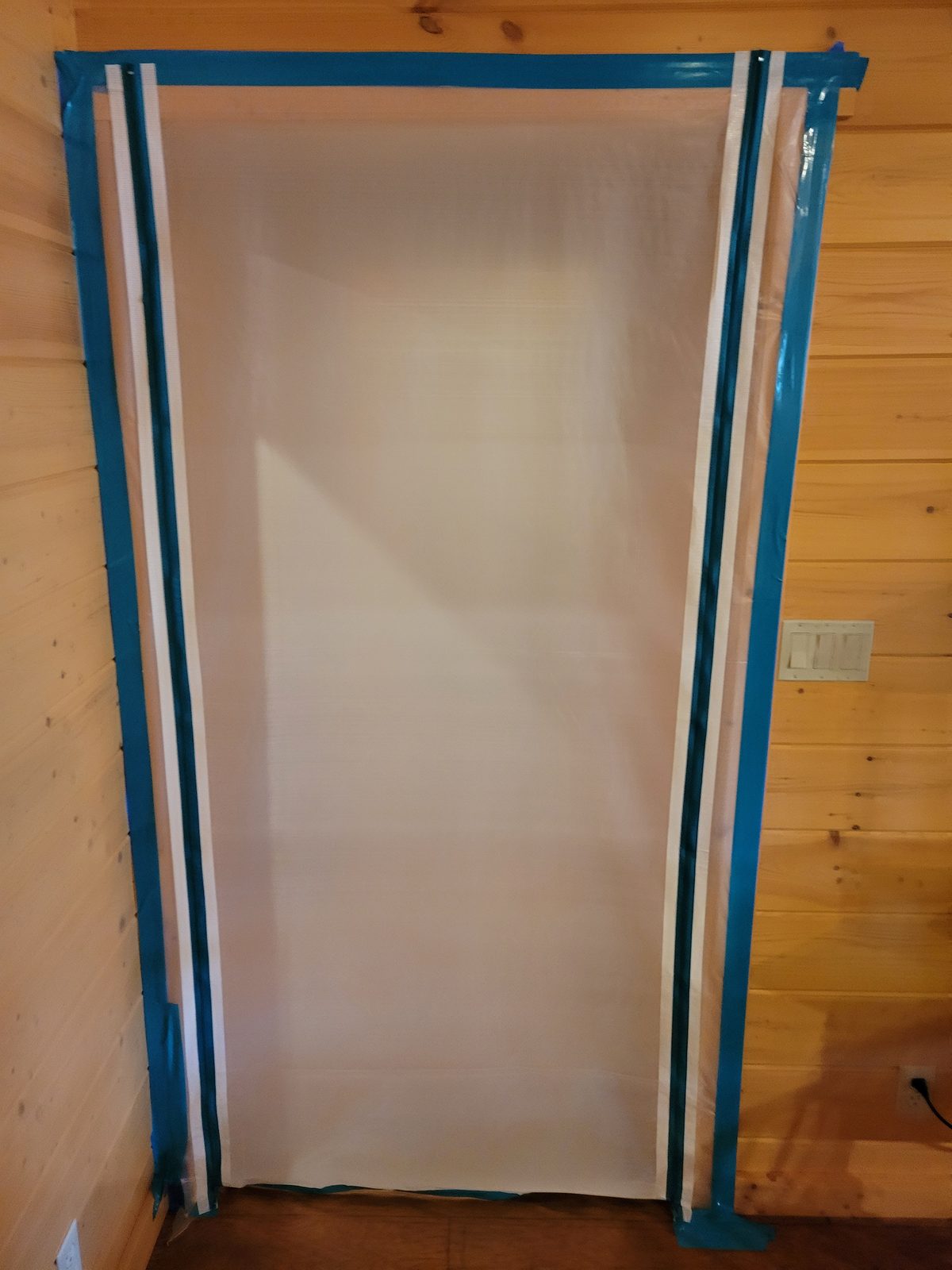
This is one of the biggest differences between casual removal and professional remediation. Plastic barriers, controlled entry, and negative air may be used to isolate the area. HEPA-filtered air scrubbers help capture airborne particles while the work is going on. The level of containment depends on the size and location of the job.
Remove or clean materials the right way
Porous materials that are heavily contaminated, or that cannot be dried and cleaned well, may need to come out — drywall, insulation, or carpet pad, for example. Harder surfaces can often be cleaned and then dried thoroughly. The aim is a defensible decision based on the material and the moisture history, not demolition for its own sake or saving material that will stay wet.
Dry, treat, and confirm
After source control and cleaning or removal, the structure has to be dried to appropriate moisture levels with commercial dehumidifiers, air movers, and monitoring. We also treat cleaned surfaces with an organic, pet-safe antimicrobial that is mainly thyme oil. The last phase includes detailed cleaning of the contained area, a check that drying goals have been met, and removal of containment when the area is ready.
Stat Restoration is an IICRC Certified Firm, and our technicians are IICRC-certified. That training guides how we contain the work, handle materials, and dry the structure.
Questions homeowners ask
If I wipe the spot off, is the job done?
Only if the moisture source is gone, the material is truly dry, and the growth was limited to a hard, cleanable surface. If the mold keeps coming back, there is a musty odor with no obvious source, or the growth followed a leak, flood, or wet crawl space, you need more than a surface cleaning. Painting, caulking, or spraying fragrance over it only hides the problem. Bleach is also not a reliable fix on porous materials, where moisture and growth can sit below the surface.
Why do you put up plastic barriers?
Containment keeps spores and dust from the work area from spreading into the rest of the house. Combined with HEPA air scrubbers, it is how remediation protects rooms that were not part of the original problem.
Can I stay in the house while you work?
It depends on the size and location of the job. A small, well-contained area is often manageable. A larger project, or work in a living space or near the HVAC system, may mean keeping people and pets out of that part of the house until the contained work is finished. We will tell you what makes sense for your property before we start.
Will the mold come back?
It can, if moisture comes back. The point of remediation is to clean up the current growth and correct the condition that allowed it. Keep the area dry, and fix leaks, drainage, and crawl space moisture promptly, and you greatly reduce the chance it returns.
When to call for help
A small amount of surface growth on a hard, nonporous material may be something you can handle if the moisture source is fully corrected. Bring in trained help when mold returns, the area is large, growth followed a flood or sewage backup, or you suspect it is inside walls, under flooring, in a crawl space, or around HVAC equipment.
For mold concerns in and around Kalispell, start with our Kalispell mold remediation page. In Whitefish, see our Whitefish mold removal page. The overall process is described on our mold remediation service page.
Coverage for mold depends on your policy, the cause of the loss, and the facts of the event. No restoration company can promise what an insurer will cover. What we can do is document the moisture source, the work, and the drying so you have a clear record.
If you have an active leak, recent water damage, or suspected mold in a Flathead or Northwest Montana home, call Stat Restoration at (406) 752-8040. We are on call 24/7.
