
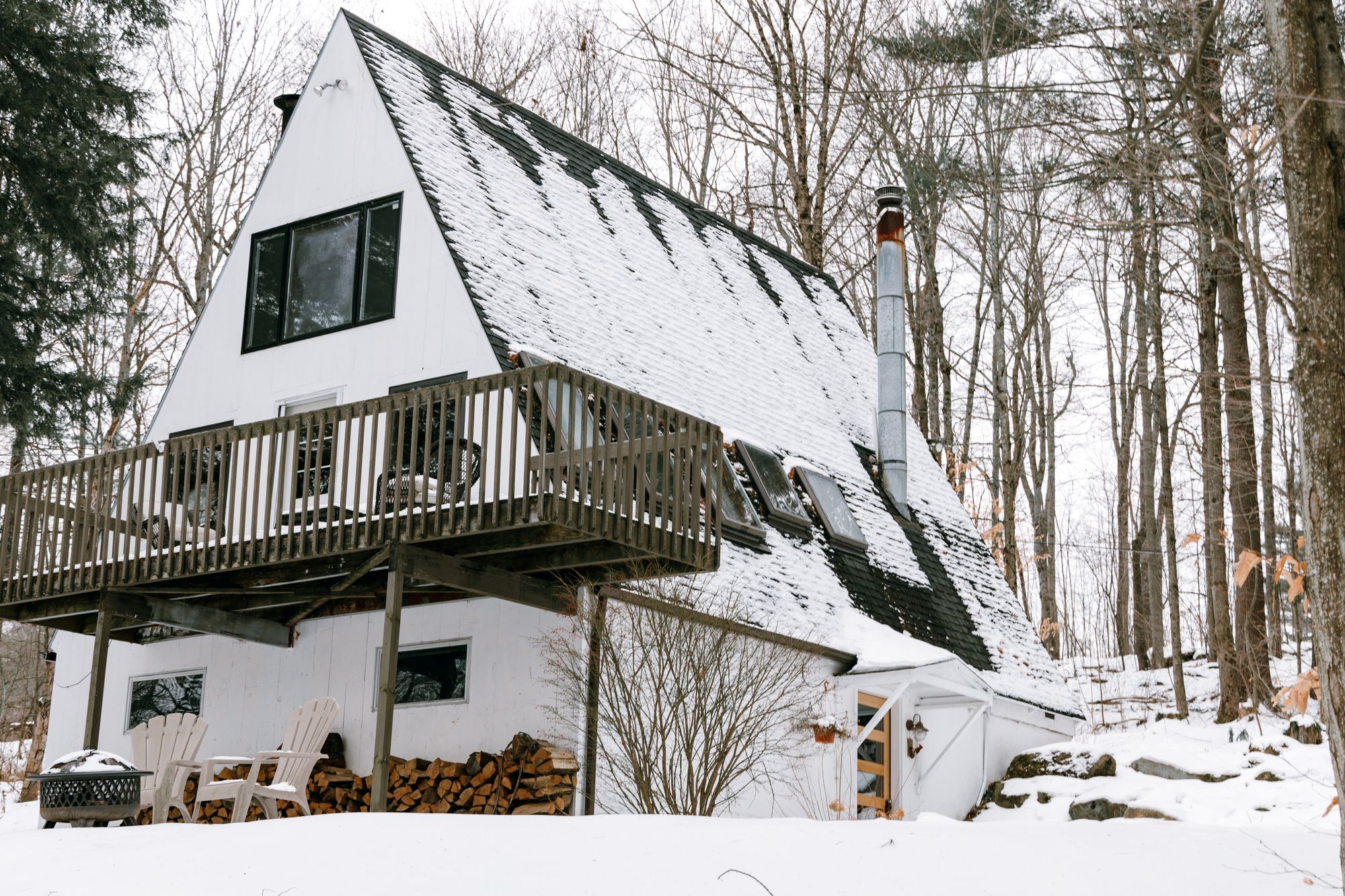
Most of the winter water damage we see in Northwest Montana doesn’t start with anything dramatic. It starts with a hose left on a spigot, a thermostat turned down too far in an empty unit, or a cabin nobody checked for a few weeks during a cold snap.
Most of it is preventable. Below is a checklist for the house you live in, for rentals, and for vacation or second homes that sit empty part of the winter. Do what applies to you, before the first hard freeze.
What Does It Mean to Winterize a House?
Winterizing means getting a house ready for freezing temperatures, heavy snow and long cold stretches without water getting where it shouldn’t. For a home you live in, that mostly means protecting pipes, keeping the heat reliable and keeping meltwater away from the house. For a property that will sit empty, it can go as far as shutting off and draining the water system.
Winterizing Checklist for Your Primary Home
These basics apply to every property.
- Disconnect hoses and protect outdoor spigots. Drain and store hoses. If your spigots have an indoor shut-off, close it and open the outside tap to drain the line.
- Check the crawlspace. Look for exposed pipes, gaps in insulation and openings that let cold air blow across plumbing. Our post on crawlspace moisture and vapor barriers before winter covers what to look for down there.
- Find pipes on exterior walls. Kitchen and bathroom sinks on outside walls are common trouble spots. Insulate any pipes you can reach.
- Plan to open cabinet doors during cold snaps. Leaving sink cabinets open lets warm room air reach the pipes.
- Clean the gutters. Clogged gutters hold water and ice right at the roof edge.
- Look at the attic. Thin or uneven insulation and warm air leaking up from the house help create ice dams. Our ice dam guide for Flathead winters explains why.
- Know where your main water shut-off is. Make sure it turns and everyone in the house knows where it is. Here’s how to shut off your water quickly.
- Have the furnace serviced and change the filter. Your heat is what keeps the pipes from freezing.
For more on keeping pipes safe through a cold snap, see our post on how to prevent frozen pipes in Northwest Montana.
Winterizing Checklist for Rental Properties
With a rental, your tenant will notice a problem first. Winterizing is about the building and about making sure tenants know what to do.
- Talk to tenants before it gets cold. Send a short fall note asking them to report a furnace problem or a cold room right away, not after the weekend.
- Put a minimum thermostat setting in the lease. Many landlords include a minimum heat setting and an expectation that tenants keep the heat on when they travel. Many experts suggest keeping heat at least 55°F, but choose what fits your building and put it in writing.
- Show tenants where the shut-off is. Point out the main water shut-off when they move in, and label it.
- Make sure they know who to call. Give tenants one clear number for after-hours emergencies, and tell them a restoration company is the next call if water is coming in.
- Handle vacant units between tenants. An empty unit is the highest-risk unit you have. Either keep the heat on and check it regularly, or have the water shut off and the lines drained.
If something does go wrong, our landlord water emergency guide walks through the first hour, tenant communication and documentation.
Winterizing Checklist for Vacation Homes and Second Homes
If a pipe breaks in an empty cabin, water can run for days before anyone knows.
- Decide: keep it heated or drain it. If you’ll visit during the winter, many owners keep the heat on low with the water on. If the place will sit empty and unheated, shutting off the water and having the system drained is safer. Plumbing varies, especially with wells and pressure tanks, so a plumber is a good call for a full drain.
- Set a minimum heat level if you keep it heated. As a general guideline, many experts suggest keeping heat at least 55°F in an empty house. Remember that your heat depends on power and fuel staying on.
- Shut off the water main when you leave. Even with the heat on, turning off the main limits how much water can escape if a pipe does fail.
- Have someone check the place regularly. A neighbor, caretaker or property manager should walk through on a regular schedule, especially after cold snaps, storms and power outages. Make sure they have a key and know where the shut-off is.
- Add smart sensors. Wi-Fi temperature alarms and water leak sensors can send an alert to your phone if the house gets cold or water shows up on the floor.
- Plan for snow load and ice dams. Heavy snow sitting on a roof all winter adds weight and feeds ice dams at the eaves. If a ceiling stain shows up, here is how to tell an ice dam from a roof leak. Arrange for someone to keep an eye on the roof and the eaves, and have a roofer or snow removal service lined up.
If a Pipe Does Freeze or Burst: The First Hour
If you find a frozen or burst pipe:
- Shut off the main water right away.
- Stay clear of electricity. If water is near outlets, fixtures or the electrical panel, keep away and turn off power at the breaker only if you can reach it safely while standing on a dry floor.
- Open a faucet to relieve pressure once the water is off.
- Move belongings out of the water and take photos of everything.
- Call a plumber for the pipe, and call us at (406) 752-8040 for the water damage.
More detail: what to do after a burst pipe.
Frequently Asked Questions
When should I winterize my house?
Before the first hard freeze. In the Flathead, that usually means fall, while it’s still comfortable to work outside.
What temperature should I keep my house at when I’m away in winter?
Many experts suggest keeping heat at least 55°F. The right setting depends on your house, your insulation and where your pipes run, so treat that as a starting point rather than a rule.
Is it better to drain the pipes or leave the heat on in an empty house?
It depends on how long the place will sit and whether someone checks on it. If you’ll visit or have regular check-ins, many owners keep low heat on with the main water shut off. If it will be empty and unheated for months, draining is the safer choice. A plumber can tell you what your system needs.
Can you leave a house unheated in the winter?
Only if the water system has been fully shut off and drained. An unheated house with water in the pipes is at real risk in a Montana winter.
Should I close crawlspace vents in winter?
It depends on how your crawlspace is built and where your pipes run. Cold air blowing across exposed pipes is a common cause of freezing, so get advice specific to your house. Our crawlspace post linked above is a good place to start.
Who is responsible for frozen pipes in a rental?
That depends on your lease and the circumstances. The best protection for both sides is clear lease terms about heat, written cold-weather reminders and records showing what you did.
Questions Before the Cold Sets In? Call Us.
Stat Restoration is locally owned and IICRC certified, with more than 30 years in business and over 1,500 Montana properties served. We’re based in Kalispell and serve Northwest Montana, including Whitefish, Columbia Falls, Bigfork, Eureka, Libby, Polson, Troy and Thompson Falls.
We hope this checklist keeps you from ever needing us. But if a pipe freezes, a ceiling starts dripping, or you find water in a vacant unit or a closed-up cabin, we’re available 24/7. Call (406) 752-8040.
