
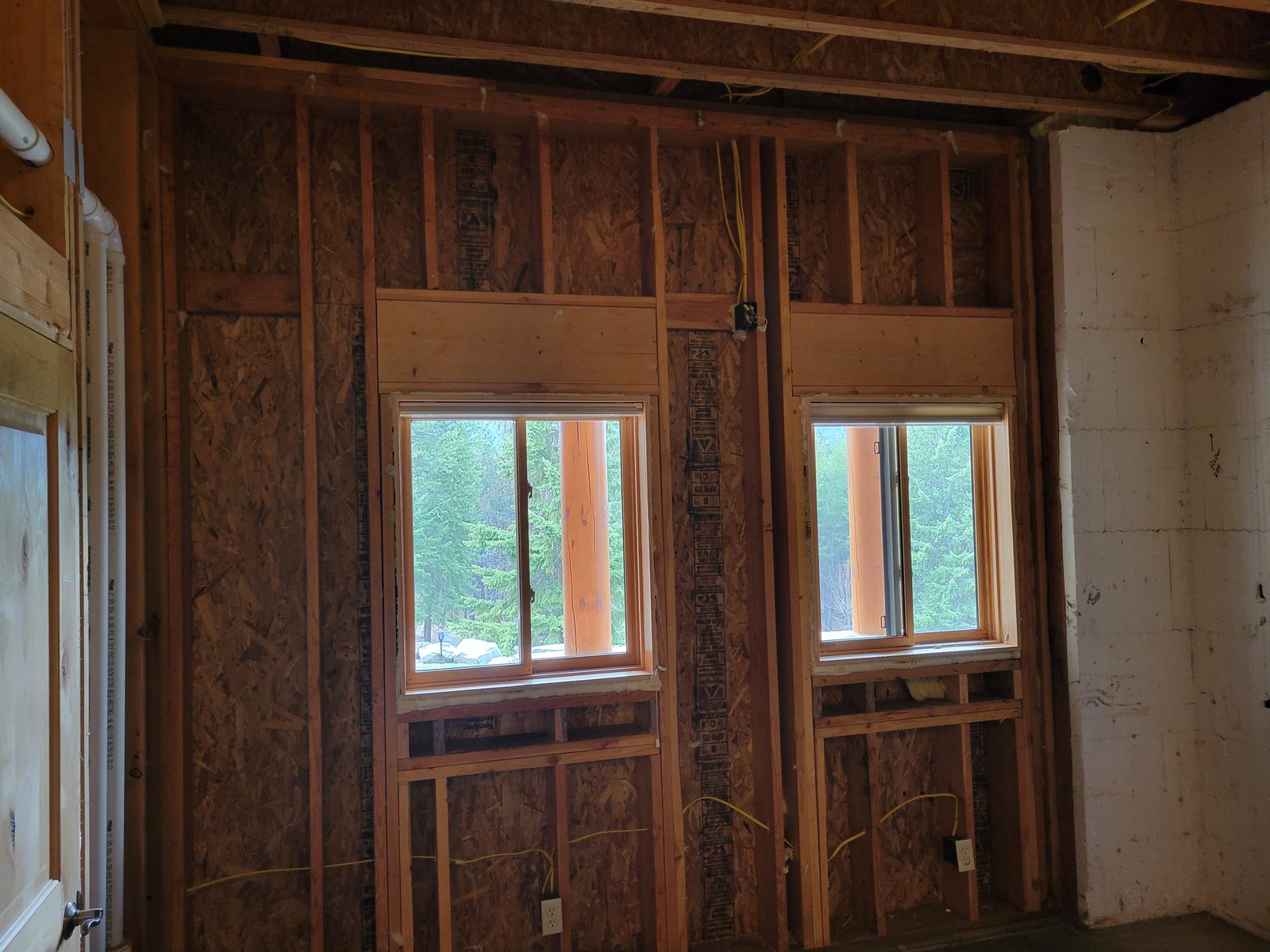
The morning after a fire, the damage can look final. Charred framing, soaked drywall, blackened ceilings, and a sharp smoke odor make rebuilding feel like the only answer. But fire restoration versus rebuilding is not a decision that should be made from the curb. Many properties can be safely restored once the fire, smoke, soot, and water damage are properly assessed. Others need partial or full reconstruction because the structure cannot safely support a restoration plan.
The right choice affects your family’s safety, your timeline, your insurance documentation, and the long-term value of the property. A qualified restoration team starts by securing the site, stopping secondary damage, and documenting what can be saved before demolition decisions become permanent.
Fire Restoration Versus Rebuilding Starts With Safety
A fire can damage much more than the room where flames were visible. Heat can weaken framing, compromise roof systems, crack masonry, melt wiring insulation, and affect windows, doors, and HVAC components. Meanwhile, the water used to extinguish the fire can soak insulation, subflooring, wall cavities, and contents well beyond the burn area.
That is why the first question is not, “Can this be cleaned?” It is, “Is this building safe and stable?” A professional assessment should identify structural concerns, electrical hazards, hidden moisture, and areas where debris or contaminated materials must be removed.
Restoration is often possible when the main structural components remain sound and damage is limited to finishes, contents, localized framing, and smoke contamination. Rebuilding becomes more likely when load-bearing materials are severely burned, the roof system has failed, major sections of the building have been compromised, or required code upgrades make extensive reconstruction necessary.
A property can also need both. It is common to restore the portions of a home or business that remain structurally sound while rebuilding the fire-damaged area. This approach can preserve usable materials, reduce unnecessary demolition, and keep the project focused on what truly needs replacement.
What Can Often Be Restored After a Fire?
Fire restoration is a controlled process, not a surface cleaning job. Soot is acidic and can continue damaging finishes, metals, electronics, and fabrics if it is left in place. Smoke can move through wall openings, ductwork, cabinets, and insulation, leaving odor and residue far from the original fire.
Depending on the type and extent of damage, restoration may include emergency board-up, roof tarping, water extraction, structural drying, soot cleanup after a house fire, odor treatment, air cleaning, contents cleaning, and selective demolition. IICRC-certified technicians use moisture meters, thermal imaging, HEPA-filtered equipment, air movers, dehumidifiers, and specialized cleaning methods to determine where contamination and moisture have traveled.
Many materials are more recoverable than property owners expect. Solid wood flooring may be dried and refinished. Framing may be cleaned and sealed if it has not lost structural integrity. Cabinets, fixtures, furniture, and personal belongings may be cleaned when residue has not permanently damaged them. Even when an item cannot be restored, detailed documentation helps establish the condition and loss for the insurance claim.
The key is speed. Smoke residue becomes harder to remove over time, and trapped moisture can create additional damage if drying does not begin promptly. In Northwest Montana, cold weather can complicate drying and leave exposed properties vulnerable to further damage. Securing the building and beginning mitigation quickly protects more options.
When Rebuilding Is the Better Decision
Rebuilding is not a failure of restoration. It is the responsible path when materials cannot be returned to a safe, durable condition. A contractor or restoration professional may recommend reconstruction when damaged assemblies have lost their strength, contaminants cannot be reliably removed, or the cost of restoration exceeds the practical value of replacing the material.
Severely charred roof trusses, floor joists, wall studs, and engineered wood components need careful evaluation. Some structural members can be repaired or reinforced, but significant loss of material, deep charring, or heat distortion may require replacement. Electrical systems exposed to heat or water may also need to be replaced rather than repaired, especially when insulation, connections, or panels have been damaged.
Drywall and insulation frequently require removal after a fire. They can hold smoke residue and water, and insulation often loses its effectiveness once contaminated or saturated. Flooring may need replacement if water has caused swelling, delamination, or damage below the finished surface.
Commercial property operators also need to consider occupancy requirements. A building may look usable while still having damaged fire-rated assemblies, unsafe electrical systems, or smoke contamination that affects employees, customers, inventory, or equipment. Rebuilding selected areas can be the fastest way to return a facility to a safe operating condition.
Who handles mitigation and who handles the rebuild
Stat Restoration (All American Restoration, LLC) handles emergency mitigation after a fire: board-up, water, smoke and soot cleanup, and drying. Rebuilds are done by All American Builders, LLC, a separate sister company and a different business entity. You can choose any contractor you like for the rebuild.
The Factors That Shape the Decision
No two fire losses are alike. The best decision comes from evidence, not assumptions. A proper scope considers the fire’s temperature and duration, the materials that burned, the amount of water used during suppression, the path of smoke, and the age and construction of the property.
The following factors usually carry the most weight:
- Structural condition: Burned or heat-damaged load-bearing components may require engineering review, repair, or replacement.
- Extent of smoke and soot: Light surface soot is very different from oily, protein-based, or deeply embedded smoke contamination.
- Water migration: Suppression water can travel under floors, behind walls, and into lower levels, creating hidden drying and mold concerns.
- Building code requirements: Reconstructed areas may trigger current code requirements for wiring, insulation, egress, fire protection, or energy efficiency.
- Time and business interruption: A targeted rebuild may be faster in some cases, while restoration can reduce downtime when the structure is largely intact.
- Insurance documentation: Clear photos, moisture readings, inventories, and detailed scope notes support accurate communication with the carrier.
The least expensive-looking option is not always the most cost-effective one. Leaving contamination behind or repairing materials that are no longer sound can create expensive problems later. On the other hand, demolishing recoverable materials too early can increase costs and delay the return to normal.
A Practical Response Plan After a Fire
Once emergency responders have cleared the property, avoid entering until it is confirmed safe. Do not turn on electrical systems, start HVAC equipment, wipe soot with household cleaners, or move damaged contents without documenting their condition. These actions can spread residue, create safety hazards, or make the loss harder to document. If the fire started in the chimney or furnace, read what to do after a chimney fire first.
A professional emergency response should begin with site stabilization. That may include board-up, roof protection, temporary power coordination, water extraction, and removal of standing water. Technicians then inspect affected rooms and concealed areas to identify what is wet, what is contaminated, and what can be safely preserved.
Next comes a written restoration and reconstruction scope. This is where the fire restoration versus rebuilding decision becomes specific. Instead of treating the whole property as a total loss or assuming every material can be saved, the scope separates recoverable materials from those that must be removed and rebuilt.
Documentation should continue throughout the project. Photos, readings, itemized contents records, drying logs, cleaning records, and demolition notes create a clear record for the property owner and insurance carrier. Insurance policies differ, and coverage decisions belong to the carrier, but organized documentation can reduce confusion and help keep the claim moving.
Why a Full-Service Team Matters
Fire recovery can involve several connected problems at once: structural damage, smoke odor, soot residue, wet materials, damaged contents, and insurance communication. Managing separate vendors for each part can slow the process and leave gaps between cleanup and reconstruction.
Stat Restoration provides 24/7 emergency response for Northwest Montana property owners, including fire damage restoration in Kalispell and the rest of the Kalispell, MT service area, with IICRC-certified technicians who can arrive quickly to contain active damage, document conditions, and manage the restoration process. The goal is not to push a property toward cleaning or demolition. It is to protect what can be saved, remove what cannot, and give the owner a clear plan forward.
If your home, rental property, or commercial building has been affected by fire, call (406) 752-8040 as soon as the site is cleared for professional access. Early assessment preserves evidence, limits secondary damage, and gives you the best chance of making a sound decision before temporary damage becomes a permanent loss.
Fire, smoke or water damage at your property? Call Stat Restoration at (406) 752-8040, 24/7.
